
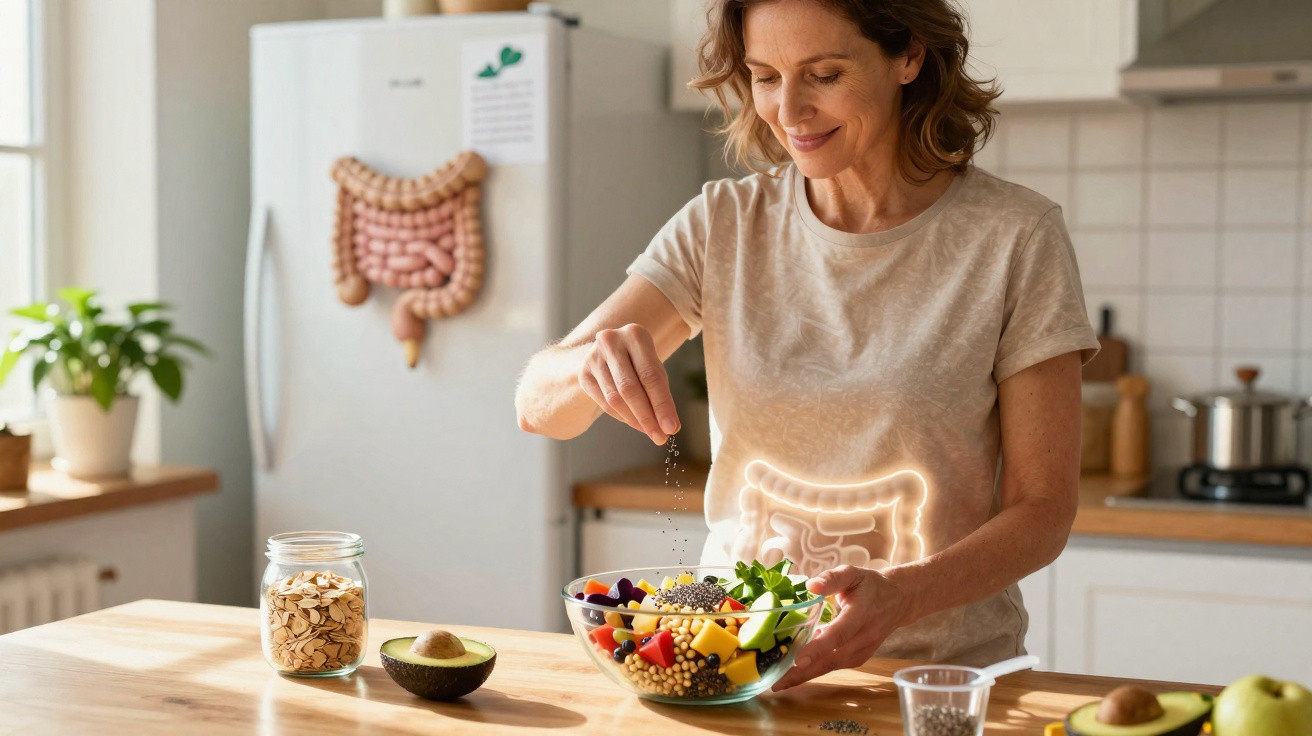
Your gut is not usually a topic of dinnertime conversation, yet its health has a major influence on overall wellbeing. Diverticular disease is among the conditions most commonly affecting the large bowel.
Also known as diverticulosis, diverticular disease occurs when small protrusions or pockets, known as diverticula, develop in the wall of the colon. They often form where the muscle layer has weakened.
Although these pockets are generally harmless, they may sometimes become infected or inflamed. This is called diverticulitis, a closely related but distinct condition.
Diverticular disease: prevalence, causes and symptoms
By the age of 80, roughly 70% of people in Western countries will have developed diverticular disease.
It is also becoming more common among younger adults, potentially because many modern diets are low in fibre and high in processed foods. UK dietary surveys indicate that people currently eat just 60% of their recommended daily fibre intake.
It is not fully clear why diverticular disease develops in some people but not others. However, recognised contributing factors include the colon’s structure and movement, diet and fibre consumption, obesity, physical activity and genetics.
The majority of people with diverticular disease have no symptoms. Some, however, experience pain or discomfort in the lower-left abdomen, frequently worse after meals, alongside bloating, diarrhoea or constipation.
Because these signs can resemble those of other digestive conditions, including irritable bowel syndrome (IBS), reaching a diagnosis may be more difficult.
Despite its prevalence, diverticular disease is widely misunderstood. While many people remain symptom-free, others have persistent digestive discomfort.
Diverticulitis, which develops when diverticula in the colon are inflamed or infected, usually causes more serious symptoms. These can include continuous abdominal pain, a high temperature, nausea and, in some instances, altered bowel habits. Urgent medical care is needed for these symptoms because untreated diverticulitis may result in complications.
Fibre, food and diverticulitis advice
Fortunately, modest dietary and lifestyle adjustments can have a substantial effect, and outdated guidance is rapidly giving way to recommendations based on evidence.
In the past, people with diverticular disease were often advised not to eat nuts, seeds or popcorn, owing to concerns that these foods could become trapped in diverticula and trigger inflammation. That belief has since been disproved.
Revised advice from the National Institute for Health and Care Excellence states that these foods do not need to be avoided unless a healthcare professional has specifically recommended this.
A high-fibre diet is helpful. Fibre makes stools softer and easier to pass, helping to lower pressure in the colon and prevent constipation, which is a recognised risk factor for diverticulitis.
Small, hard stools can become stuck in diverticula, making inflammation or infection more likely.
Alongside increasing fibre, keeping properly hydrated and staying physically active can promote healthy digestion. Water enables fibre to work effectively, and regular activity may support normal bowel function while lowering the likelihood of complications.
If it is not possible to achieve fibre targets through food alone, a doctor or dietitian may suggest fibre supplements or gentle laxatives.
Ways to increase daily fibre intake
Official UK guidance recommends that adults consume at least 30g of fibre each day. Straightforward ways to work towards this include having a high-fibre breakfast cereal with fresh or dried fruit.
Choosing wholemeal or granary bread, wholewheat pasta or brown rice, and eating more lentils, chickpeas, beans and vegetables can also make a difference.
For instance, grated carrot, red lentils or kidney beans can be added easily to mince-based meals. Raw vegetables such as carrots or peppers also pair well with dips including hummus or guacamole.
It is best to raise fibre intake slowly. Increasing it too abruptly may lead to bloating or wind, so allow your digestive system time to adjust.
Making manageable, lasting changes to diet and lifestyle, such as eating more fibre, drinking enough water and keeping active, can lower the risk of discomfort and complications.
With current medical guidance and a balanced nutritional approach, it is possible to maintain a happy, healthy gut that functions well for years.
Sophie Davies, Lecturer in Nutrition & Dietetics, Cardiff School of Sport and Health Sciences, Cardiff Metropolitan University
This article is republished from The Conversation under a Creative Commons license. Read the original article.
An earlier version of this article was published in June 2025.





Comments
No comments yet. Be the first to comment!
Leave a Comment