
On a grey Tuesday morning at a busy diabetes clinic in Chicago, a nurse bends over a young man’s arm with a finger-prick device ready. In the waiting area, insulin pumps emit a gentle hum, glucose-test-strip wrappers rustle, and someone who has attended the clinic for twenty years coughs quietly. A poster on the wall promotes a clinical trial: “Once-weekly insulin?” A person photographs it on their phone and magnifies the image, as though it is difficult to believe.
A few metres away, a woman in her sixties quietly tells her daughter about a “cell therapy” she saw on television, said to release people from daily injections. Her daughter gives a shrug, yet there is a clear flicker of hope.
Something enormous, though understated, is changing in diabetes care.
From survival to genuine change: what is suddenly different in diabetes
For more than a hundred years, treating diabetes was largely about staying alive. People tested, injected, counted carbohydrates, attempted to avoid dangerous drops or rises, then repeated that routine every day. Equipment improved gradually, moving from glass syringes to insulin pens and from urine testing strips to continuous glucose monitors worn on the arm.
Then the pace of scientific progress accelerated, seemingly out of nowhere. GLP-1 medicines rapidly became prominent. Small wearable sensors entered mainstream use. Scientists began to speak less about “management” and more about “remission” and “cell replacement”. The term remission arrived with the force of a small earthquake.
All at once, the conversation was no longer solely about coping. It began to suggest transformation.
This shift extends beyond medical journals and into ordinary life. A 52-year-old London bus driver, who has had type 2 diabetes for ten years, enrols in an intensive weight-loss programme involving strict calorie restriction and medical monitoring. After six months, his blood glucose falls sufficiently for his doctor to stop his diabetes medication temporarily.
Consider, too, a teenager in Brazil with type 1 diabetes who previously avoided glucose tests because finger pricks were painful. Her parents obtain a continuous glucose monitor linked to an app. When her glucose falls, the device alerts her phone, while readings can be shared with her mother in real time. Nights that were once frightening become close to normally restful.
Accounts like these were once uncommon. Now, they are becoming more frequent.
The difference lies in the available scientific toolkit. Researchers have brought together decades of gradual advances: improved insulin, more intelligent algorithms, novel medicine classes, and a fuller understanding of the relationship between fat, the liver, the gut and the pancreas.
GLP-1 agonists and related medicines, first developed for diabetes, began to demonstrate substantial weight-loss effects while reducing insulin resistance and lowering blood glucose. Closed-loop “artificial pancreas” systems started forecasting glucose patterns and adjusting insulin automatically.
Meanwhile, a further breakthrough gathered momentum behind the scenes: stem-cell-derived beta cells which could, in theory, replace the cells destroyed by type 1 diabetes. The focus has therefore moved from simply keeping figures under control towards a more ambitious question: What if we could give the pancreas back its voice?
New diabetes tools and routines: how breakthroughs reshape daily life
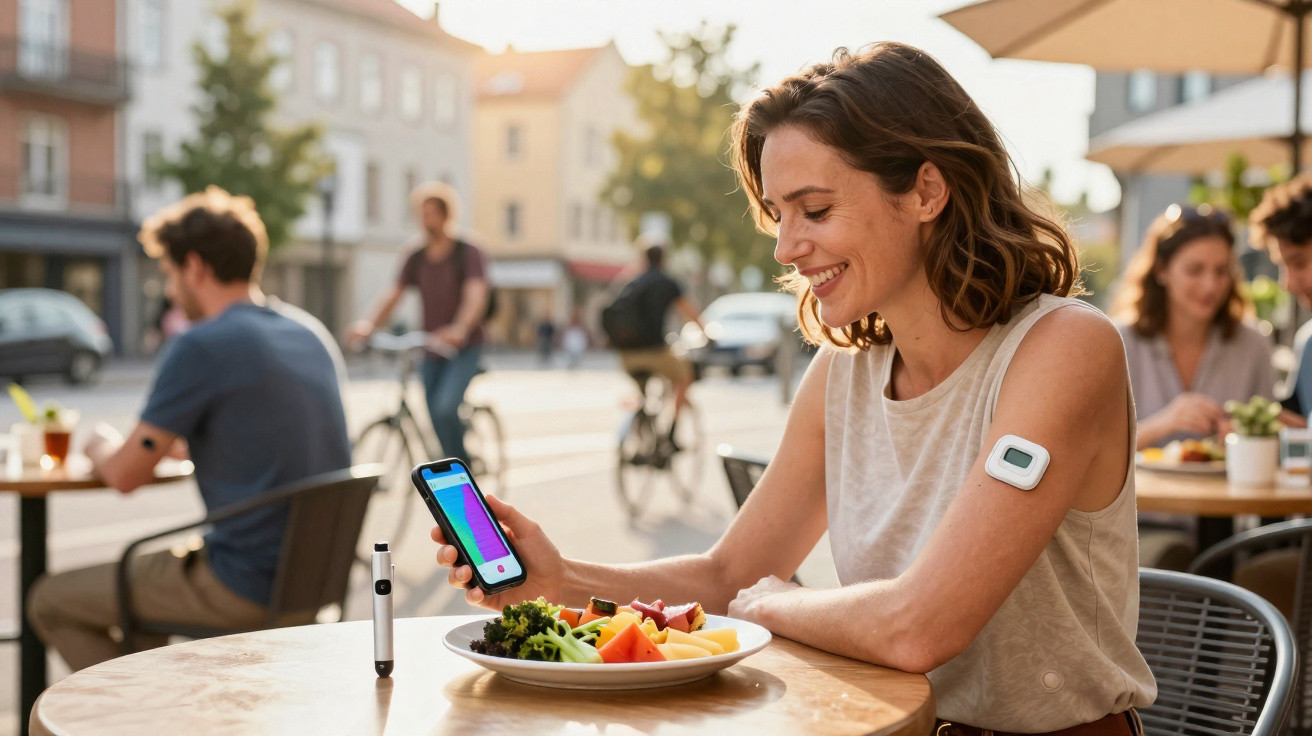
One of the clearest changes comes from devices that sit discreetly on the skin. Compact sensors, including Dexcom, Freestyle Libre and others, have made the body a source of live data. They replace numerous finger pricks with either a brief scan or an automatic Bluetooth synchronisation.
Hybrid closed-loop systems add another layer by combining insulin pumps with smart algorithms. They estimate the direction in which glucose is moving and alter insulin delivery as needed. Meals still need to be entered, but the persistent worry - “Will I crash while I sleep?” - becomes less intense.
For people living with type 1 diabetes, this does not make the condition disappear. It does, however, mean diabetes need not consume every moment of their mental attention.
At the same time, newer medicines are altering the approach to type 2 diabetes care. GLP-1 and dual- or triple-hormone agonists can slow gastric emptying, support insulin release and reduce appetite. Many patients report an unexpected sensation: they are no longer constantly hungry.
A 45-year-old teacher in Texas takes a GLP-1 medicine for eight months and loses 18 kg. Her HbA1c - a measure of longer-term blood glucose - falls from 9.4% to 6.2%. Her doctor cuts back her other diabetes medicines. She reports that sudden hunger and urges to snack no longer dictate the shape of her day.
The combination of weight reduction, improved glucose control and cardiovascular benefits points to more than managing symptoms. It appears to offer a partial metabolic reset.
The most advanced developments, however, can sound almost fictional. Researchers at Vertex and other laboratories are studying transplants of stem-cell-derived islet cells. In early studies, some people with type 1 diabetes moved from regular insulin injections to greatly reduced amounts - and, in a small number of cases, no externally supplied insulin at all for months.
Scientists are also developing “encapsulation” devices: tiny protective barriers intended to shield replacement cells from immune-system attack, allowing them to continue making insulin. Gene-editing technologies such as CRISPR are being investigated to produce cells that the immune system does not identify as targets.
This is not yet a cure. It remains experimental, costly and risky. Let’s be honest: nobody really does this every single day. Yet credible specialists are, for the first time, using the phrase “functional cure” without hesitation.
Living with diabetes in 2026: practical changes and quiet revolutions
What, then, does this mean for people who live with diabetes or care for somebody who does? One practical development is the transition from occasional appointments to continuous, data-led care. Many endocrinologists now review several weeks of glucose curves rather than a handful of isolated figures in a diary.
Patients send charts through apps, message between consultations and modify doses according to recurring patterns instead of individual readings. Doctors repeatedly offer one straightforward piece of advice: focus on trends, rather than a single “good” or “bad” result. This is precisely where newer tools are most useful.
Rather than responding only after a problem occurs, healthcare teams can make modest treatment adjustments before a crisis develops.
There has also been a quiet emotional change. Diabetes discussions were long coloured by guilt: too much sugar, too little exercise, forgotten doses. GLP-1 medicines and other modern treatments increasingly frame body weight and blood glucose not as failures of “willpower”, but as complex biological systems.
This does not remove individual responsibility, but it does reduce blame. Doctors are increasingly discussing a “partnership” with patients, matching medicines, food, sleep and activity to what real-world data indicates rather than relying on outdated assumptions.
A frequent error is to assume that an effective medicine or device means lifestyle is no longer relevant. In practice, these advances deliver their best results when combined with small, sustainable changes in day-to-day habits.
“Diabetes care is moving from crisis firefighting to long-term choreography,” says an endocrinologist involved in international trials. “We’re finally getting tools that adapt to people’s lives, not the other way around.”
- Continuous glucose monitoring – Provides immediate insight into blood glucose patterns, revealing concealed spikes after particular foods or at certain times of day.
- Hybrid closed-loop pumps – Adjust basal insulin automatically through the night, reducing the likelihood of serious lows and early-morning highs.
- GLP-1 and newer multi-agonist drugs – Support blood glucose control, appetite management and weight reduction, with demonstrated heart and kidney health benefits.
- Dietary and weight-loss programmes aimed at remission – For certain people with early type 2 diabetes, intensive support can produce normal levels without medication.
- Experimental cell and gene therapies – Still limited to trials, but they suggest a future in which lost beta cells might be replaced rather than insulin merely substituted.
A historic diabetes turning point and one simple question: what do we do with it?
The most significant revolution may not occur in laboratories, but in how society decides to deploy these advances. More affordable sensors could be introduced across public healthcare systems instead of remaining a luxury product. Weight-loss and remission programmes could be available not only to highly motivated people, but also to those who quietly believe, “this is my life now”.
There is a matter of fairness, too. In wealthier cities, people discuss weekly injections that shed kilograms and protect the heart, while patients in other places still reuse needles or make insulin last longer than it should. The divide between what can be done and what is actually provided is becoming the true battleground.
We have all known that moment of discovering that technology exists but access does not. What is now happening in diabetes feels like a test: can an explosion of laboratory ingenuity be turned into something that truly improves the daily lives of millions, rather than only the fortunate few?
| Key point | Detail | Value for the reader |
|---|---|---|
| New monitoring and pump technology | Continuous glucose monitors and hybrid closed-loop systems cut daily uncertainty and increase safety | A clearer view of blood glucose patterns and fewer alarming highs and lows |
| Powerful new medicines | GLP-1 and newer multi-agonist medicines address blood glucose, weight and cardiovascular risk simultaneously | Possibility of remission in some type 2 cases and fewer long-term complications |
| Emerging cell therapies | Stem-cell-derived islet transplants and immune-protective devices offer early promise | A view of a future in which insulin injections could be substantially reduced or paused for some people |
FAQ:
- Question 1 Are these new diabetes treatments available to everyone already?
- Question 2 Can GLP-1 medicines genuinely bring type 2 diabetes into remission?
- Question 3 How does a standard insulin pump differ from a hybrid closed-loop system?
- Question 4 Do stem-cell therapies cure type 1 diabetes?
- Question 5 How can a person speak with their doctor about gaining access to these innovations?




Comments
No comments yet. Be the first to comment!
Leave a Comment