
As obesity rates rise at an alarming pace, researchers are gathering as much evidence as possible about the condition’s many drivers and risk factors. Identifying the underlying causes of this public-health crisis should put us in a stronger position to address it.
Obesity is difficult to understand because it involves a huge range of variables, from a person’s genetic makeup to the body’s chemical signals. It cannot simply be explained by people eating too much.
New research into the common sugar fructose shows that substances entering the body via the gut can trigger a range of downstream effects.
A team at the University of California, Irvine, led the study, which was published in Science Advances. Its findings identify an unexpected link between fructose and fat absorption, adding to the view of obesity as a metabolic cascade.
Fructose is produced naturally in the body and is present in table sugar, fruit and certain vegetables.
The focus of the new study was high-fructose corn syrup (HFCS), a major source of added sugar in modern diets and a sweetener used in most processed foods.
Earlier research has already associated fructose with obesity. A 2023 study proposed that this simple sugar was the common factor connecting several hypotheses about obesity.
Until now, however, researchers had not properly understood how fructose produces bodily effects that result in weight gain and, eventually, obesity.
Fructose, the small intestine and obesity
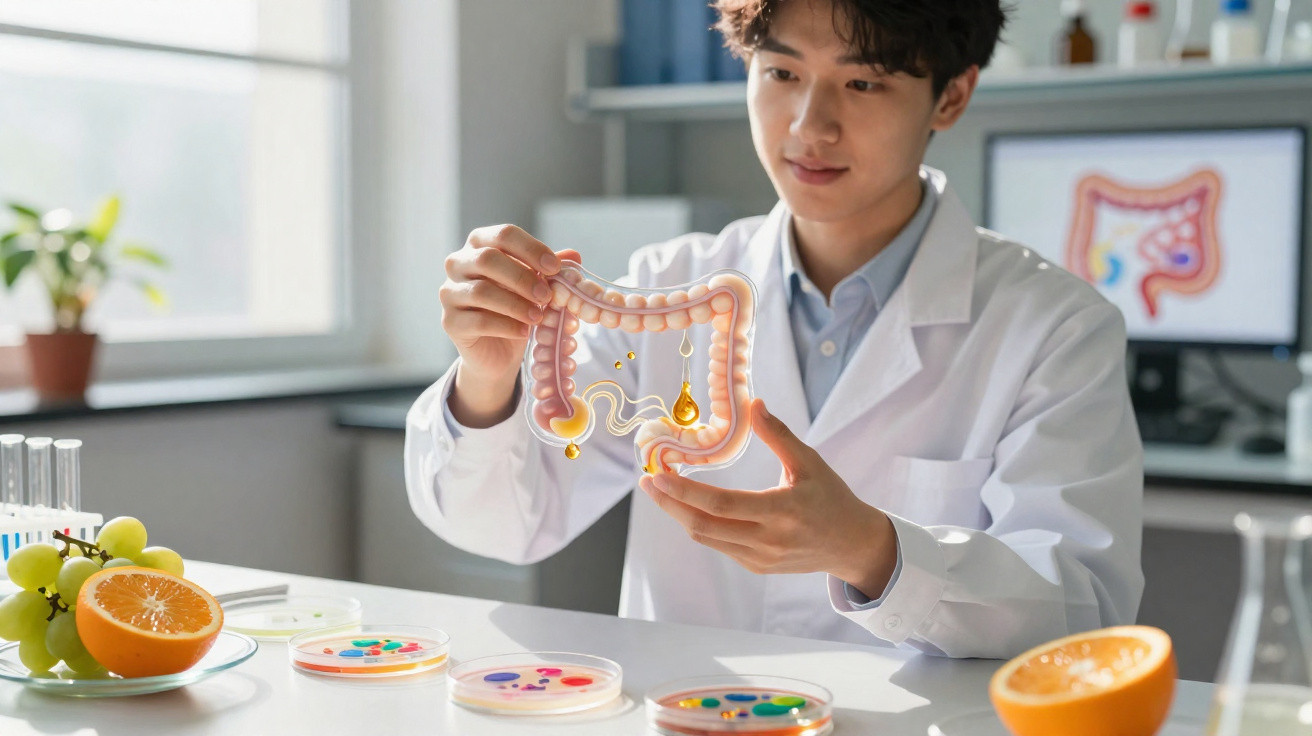
The latest findings indicate that fructose’s impact involves more than the calories it provides. The process also appears to involve the small intestine and its ridged villi, which help the body absorb nutrients.
“High-fructose corn syrup consumption is a risk factor for obesity and diabetes, yet the underlying mechanisms, especially at the specific organ level, are incompletely understood,” write the researchers in their published paper.
“We found an unexpected role of small intestinal fructose catabolism in modulating gut microbiome, ileum-specific lacteal growth, dietary fat absorption, and eventually whole-body metabolic fitness following the consumption of high-dose HFCS.”
The researchers genetically modified mice so that their small intestines lacked KHK-C, the principal enzyme involved in metabolising fructose. The animals were then given a high dose of HFCS for 12 weeks.
The result was unexpected.
Relative to a control group, mice without KHK-C - and therefore without the biological ability to process fructose in this way - put on less weight, carried less body fat and showed substantial changes in their gut microbiomes.
“We report that inhibition of fructose catabolism specifically in the murine small intestine unexpectedly mitigates fructose-induced obesity and insulin resistance,” write the researchers.
How fructose changes fat absorption
Additional investigation uncovered a particular chemical sequence of events.
When fructose was not processed in the intestine, the ileum - the final section of the small intestine - contained fewer macrophages, a type of immune cell.
This subsequently made lacteals, specialised transporters for dietary fat, shorter. As a result, less fat was absorbed into the body.
The researchers confirmed the process by examining faeces from the genetically modified mice. The samples contained more fat, because a smaller amount of it had been absorbed.
Furthermore, transplanting faecal samples from these mice, whose microbiomes had been altered, into other mice produced similar changes in fat absorption.
“Fecal transplantation experiments revealed that the microbiome altered by blunted host intestinal fructose catabolism decreases ileal macrophages essential for lacteal growth,” write the researchers.
“Thus, altered intestinal lacteal architecture likely contributes to the synergistic effects of high fat and sugar on metabolic disorders.”
Naturally, the full set of findings must be examined and confirmed in humans. Even so, the study suggests a previously unrecognised relationship between sugar and fat: fructose digestion prepares the small intestine to absorb fat more effectively.
This reframes the understanding of sugar as a key force behind obesity.
“While dietary fat used to be regarded as the leading culprit of public health, in recent years, researchers have found that the added sugars in the diet, mainly in the form of fructose, are primarily contributing to the prevalence of obesity, diabetes, and metabolic dysfunction–associated steatotic liver disease (MASLD),” the researchers write.
Gut microbiome research and potential probiotics
Should scientists eventually pinpoint the particular bacterial strains responsible for the gut-microbiome shift underlying this connection, it may be possible to create probiotics that reduce the amount of fat absorbed by the body.
Previously, scientists believed that processing fructose in the small intestine helped shield the liver from injury, although excessive intake overwhelms the organs.
The new work also shows that this process influences the way the body takes up fat.
“In a contemporary society where excessive fructose and calories are widespread in processed foods, the small intestine's role in absorbing and processing dietary nutrients becomes even more critical in determining the trajectory between health and disease,” write the researchers.
The research has been published in Science Advances.
This article was fact-checked and edited by Clare Watson. Although we take pride in our process, we are only human. If you notice an error, please let us know.






Comments
No comments yet. Be the first to comment!
Leave a Comment