
The risks of a no-sleep challenge
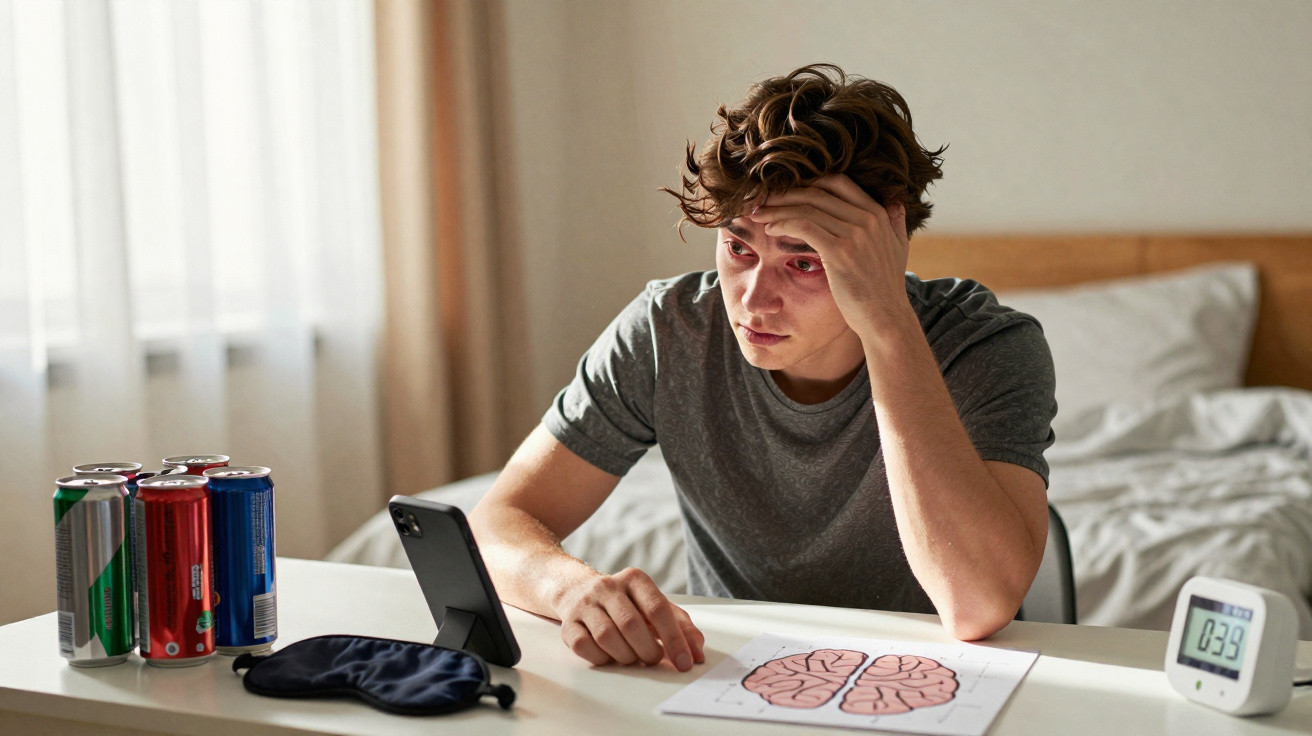
After a disturbed night, most people recognise the sluggish, dazed feeling that comes with tiredness. Yet some social media users are pushing sleep loss to dangerous limits through what they describe as a "no-sleep challenge."
Norme, a 19-year-old YouTuber, broadcast live as he tried to break a world record for the highest number of consecutive hours without sleep.
When he reached 250 hours, viewers began expressing worries about Norme's health and wellbeing. He ultimately ended the attempt with a "no sleep" total of 264 hours and 24 minutes.
The attempt resulted in Norme being banned from YouTube and Kick. Despite saying he had surpassed the world record, he did not exceed the achievement of the final Guinness World Record holder, Robert Mcdonald, who stayed awake for 453 hours – nearly 19 days! – in 1986.
Guinness World Records stopped overseeing the longest-time-without-sleep record in 1997 because of the safety risks – rightly so. Prolonged periods without sleep can be exceptionally hazardous.
Adults should routinely get more than seven hours of sleep each night. Persistently failing to sleep enough is linked with a higher risk of several conditions, including depression, diabetes, obesity, heart attack, hypertension and stroke.
Why sleep matters to the body
Sleep forms a vital part of everyday life, allowing numerous body systems to rest while concentrating on repair and recovery.
Across the first three sleep stages, the parasympathetic nervous system – responsible for rest and digestion – becomes dominant. As a result, heart rate and blood pressure fall.
During the final rapid eye movement (REM) stage, heart activity rises and the eyes move. This phase is crucial for cognitive abilities including creativity, learning and memory. Drinking alcohol or consuming caffeine before bed can disrupt these sleep stages.
What happens during sleep deprivation
Sleep deprivation may be acute or chronic. Acute sleep loss may occur across one or two days.
Although that may sound like a brief timeframe, being awake for 24 hours can impair functioning more severely than being slightly above the drink-drive limit.
Acute sleep deprivation may produce swollen eyes or dark circles beneath them, irritability, reduced cognitive ability, brain fog and cravings for food.
By the second day without sleep, these effects become more intense. Behaviour also changes, while cognitive function deteriorates further. The growing need for sleep can bring on "microsleeps" – involuntary naps of roughly 30 seconds.
The body's demand for food also rises, alongside physical effects such as systemic inflammation and a weakened immune response, leaving us more vulnerable to illness.
A third period of 24 hours without sleep can cause an overwhelming need to rest, a greater chance of longer microsleeps, depersonalisation – a sense of disconnection from reality – and hallucinations.
After reaching a fourth day without sleep, every symptom worsens substantially and may develop into sleep deprivation psychosis, in which a person cannot make sense of reality and feels a distressing urge to sleep.
People recover from sleep deprivation at different rates. A full night's sleep may be sufficient for some people, whereas others may need days or weeks to recover.
Research has found, however, that recovery sleep frequently fails to undo metabolic changes that may lead to weight gain and reduced insulin sensitivity, even after comparatively short bouts of sleep deprivation.
Sleep loss, shift work and health
Shift workers may experience ongoing sleep deprivation. People who work night shifts generally get one to four hours less sleep daily than those who work during daylight hours – potentially raising their risk of premature death.
Indeed, many studies have linked insufficient sleep to a greater risk of death. Excessive sleep, however, has also been associated with an increased risk of death.
For better health, avoid social media challenges and choose good sleep hygiene instead, aiming for seven to nine hours of high-quality shut-eye. Your body will thank you for it.
Adam Taylor, Professor and Director of the Clinical Anatomy Learning Centre, Lancaster University
This article is republished from The Conversation under a Creative Commons license. Read the original article.





Comments
No comments yet. Be the first to comment!
Leave a Comment