
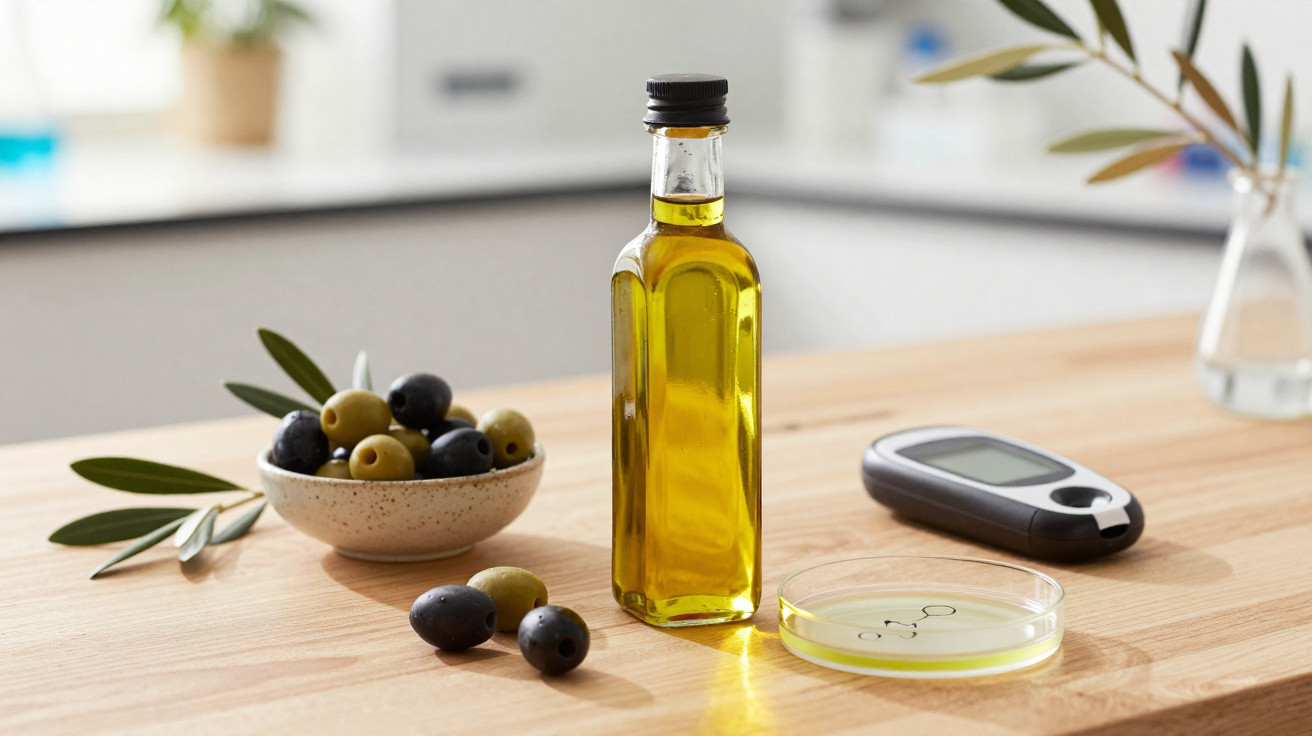
A naturally occurring substance in olives, elenolic acid, is showing potential as a treatment for obesity and type 2 diabetes.
In mouse models of these conditions, researchers at Virginia Tech in the US found that one week of elenolic acid treatment lowered blood sugar levels as effectively as, or more effectively than, two leading medicines.
"Lifestyle modifications and public health measures have had limited impact on the rising prevalence of obesity, one of the top risk factors for type 2 diabetes," says Dongmin Liu, a nutrition scientist from Virginia Tech.
"Available obesity drugs are ineffective in weight loss maintenance, expensive and/or carry potential long-term safety risks. Our goal was to develop safer, cheaper and more convenient multi-targeting agents that can prevent the occurrence of metabolic disorders and type 2 diabetes."
Elenolic acid from olives and gut hormones
Chemical signals have an important role in coordinating messages from the gut. In an earlier mouse study conducted in Liu's laboratory, the researchers found that elenolic acid encourages the release of two metabolic hormones that signal fullness to the brain, helping us recognise when to stop eating.
One is glucagon-like peptide-1 (GLP-1), the hormone mimicked by Ozempic and comparable medicines to control blood sugar and satiety. The other is the lesser-known peptide YY (PYY), released by gut cells at the end of a meal to curb appetite.
The team's previous research showed that even one dose of concentrated elenolic acid triggered secretion of GLP-1 and PPY. Obese mice fed a high-fat diet and given 50 mg/kg/day for two weeks achieved glucose tolerance and fasting blood glucose levels matching those of mice fed a standard diet.
Early results for obesity and type 2 diabetes
The latest research has not yet been peer-reviewed. It was presented by Virginia Tech clinical nutritionist Hana Alkhalidy at NUTRITION 2024 in Chicago on 29 June.
In their presentation abstract, Liu, Alkhalidy and their colleagues state that mice with type 2 diabetes and diet-induced obesity received elenolic acid orally. The treatment's dose, concentration, frequency and duration have not been disclosed so far, nor has the number of mice used in the experiments.
After only a week of treatment, the researchers say the mice had lost significant weight and showed better-controlled blood sugar than before treatment, as well as compared with untreated mice with both conditions.
GLP-1 receptor agonists such as Ozempic work by acting as GLP-1, activating the receptor in place of the natural hormone. Elenolic acid takes an indirect route, prompting the body to release more of its own metabolic hormones.
Liu's team reports that its effect on blood glucose matched that of the GLP-1 receptor agonist liraglutide and exceeded that of metformin, an anti-hyperglycaemic medicine that is a first-line blood-glucose-lowering treatment for type 2 diabetes.
"Overall, the study showed that elenolic acid from olives has promising effects on hormone release and metabolic health, particularly in obese and diabetic conditions," says Liu.
"The compound seems to mimic the physiological conditions of eating to directly promote gut metabolic hormone secretion, which helps regulate energy balance and metabolic health."
Sources of elenolic acid and remaining questions
Elenolic acid occurs in extra virgin olive oil and ripe olives (Olea europaea). However, it can be produced more cheaply by breaking down its precursor, oleuropein, which is found in olive skin and flesh as well as the plant's leaves and seeds.
According to the researchers, it is unlikely that eating olives or consuming extra virgin olive oil could provide enough elenolic acid to achieve the effects seen in their experiments. Most olive products people consume have also had oleuropein intentionally removed because of its bitter flavour.
As with all mouse experiments, the effects of concentrated elenolic acid in people will remain unknown until further human trials are completed.
The team is now examining how elenolic acid influences metabolism by following its journey through the body. This work will also supply information about its safety for future clinical trials.
These preliminary findings remain unreviewed by peers, although a committee of experts evaluates and selects studies for presentation.
The research was presented at NUTRITION 2024, the American Society for Nutrition's annual meeting.






Comments
No comments yet. Be the first to comment!
Leave a Comment